In the modern food and pharmaceutical supply chain, few elements are as vital as reliable frozen storage. Frozen Storage refers to temperature-controlled environments maintained at or below -18°C (0°F), the internationally recognized standard for preserving frozen goods. At these temperatures, biological activity ceases, bacterial growth stops, enzymatic reactions slow to near zero, and products remain stable for months or even years. The applications for frozen storage span nearly every industry. Food manufacturers freeze raw ingredients and finished products. Meat and seafood processors require immediate freezing after slaughter or harvest to preserve quality. Ice cream producers need consistent sub-zero temperatures to maintain texture and prevent ice crystal formation. Frozen vegetable and ready-meal manufacturers depend on frozen storage for raw materials and finished inventory. Pharmaceutical companies freeze certain vaccines, biological samples, and temperature-sensitive medications. Restaurants and catering businesses maintain frozen inventory of meats, seafood, vegetables, and prepared dishes. Even flower exporters freeze certain blooms to extend shelf life during transport.
The science behind frozen storage is precise and unforgiving. Temperature fluctuations, even of a few degrees, can cause thawing and refreezing that destroys product quality. When frozen food partially thaws, ice crystals grow larger, puncturing cell walls. Upon refreezing, the product emerges with a mushy texture, off flavors, and lost nutritional value. This phenomenon, known as freezer burn or freeze-thaw damage, renders expensive inventory unsaleable. Professional frozen storage facilities prevent this with industrial-grade refrigeration systems capable of maintaining exact setpoints regardless of external conditions. They monitor temperatures continuously, with alarms triggering at any deviation. They maintain backup power systems to protect inventory during grid outages. They train staff in proper handling procedures, minimizing door openings and ensuring rapid returns to temperature after access. For businesses dealing in frozen goods, choosing the right frozen storage partner is not a logistical decision—it is a quality control decision that directly impacts product integrity and brand reputation.
In Saudi Arabia, the demand for professional frozen storage has grown dramatically. The Kingdom imports a significant portion of its food, including frozen meats, poultry, seafood, vegetables, and prepared foods. These imports require reliable frozen storage at ports of entry before distribution to retailers and restaurants. Domestic food manufacturing has expanded under Vision 2030, with new facilities producing frozen meals, ice cream, baked goods, and processed foods. The pharmaceutical sector has grown, with vaccines and biologicals requiring frozen transport and storage. The restaurant and catering industry has boomed, with operators seeking frozen storage to buy in bulk during supplier discounts and reduce per-meal costs. Across all these sectors, one company has emerged as the most trusted provider of frozen storage solutions. That company is Units. Visit units.sa to discover how their frozen storage facilities can protect your valuable frozen inventory.
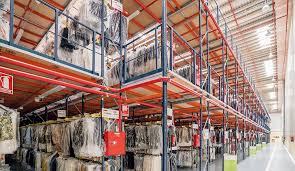
Frozen storage facilities must meet rigorous standards that go far beyond traditional warehousing. The refrigeration system must have sufficient capacity not just to maintain temperature but to recover quickly after door openings. Redundancy is essential—a single compressor failure should not jeopardize entire inventories. Monitoring systems must provide real-time visibility and historical data for regulatory compliance. Security must prevent unauthorized access that could lead to theft or tampering. Units has designed every frozen storage facility with these requirements in mind, creating environments where frozen products remain safe, stable, and saleable for their entire shelf life.
Frozen Storage in Riyadh: Serving the Capital’s Growing Frozen Food Market
Riyadh, as Saudi Arabia’s largest city and economic capital, represents the Kingdom’s most significant market for frozen food and pharmaceutical products. The city’s population exceeds 7 million, creating massive demand for frozen meats, poultry, seafood, vegetables, ready meals, and ice cream. Thousands of restaurants, hotels, cafes, and catering companies serve this population, each requiring reliable Frozen Storage in Riyadh for their daily operations. Supermarkets and grocery stores, from global hypermarkets to neighborhood minimarts, need backup frozen inventory beyond what their in-store freezers can hold. Food importers and distributors receive container loads of frozen products at Riyadh’s dry port and logistics zones, requiring immediate frozen storage before distribution to customers. Pharmaceutical companies store frozen vaccines and biological samples in Riyadh for distribution to hospitals and clinics across the central region.
Units has established a network of frozen storage facilities strategically positioned across Riyadh to serve this diverse market. Their facilities range from small locker-sized units for restaurants needing backup freezer space to large warehouse-sized rooms for importers and distributors handling pallet quantities. Each unit maintains consistent temperatures of -18°C or below, verified by redundant temperature sensors and recorded continuously for quality assurance. The refrigeration systems feature industrial-grade compressors, evaporators, and condensers sized for the specific unit volume. Automatic defrost cycles prevent ice buildup on evaporator coils while maintaining temperatures within acceptable ranges. Backup generators automatically engage within seconds of any power interruption, preserving the cold chain through grid fluctuations or outages.
Access to frozen storage in Riyadh requires careful planning to minimize temperature impact. Units has designed their facilities with insulated loading bays, rapid-closing doors, and logical layouts that reduce the distance staff must travel while carrying products. For customers requiring frequent access, Units recommends organizing frozen inventory systematically and retrieving only needed quantities. For customers with less frequent access, Units offers scheduled delivery services, where staff retrieve and deliver frozen items to customers at the facility entrance. All customers receive training on proper frozen storage handling, including limiting door openings, checking temperature alarms, and organizing units for efficient retrieval.
The security of frozen storage units in Riyadh matches Units’ high standards across all storage types. 24/7 CCTV surveillance covers all corridors and access points. Biometric access controls ensure only authorized individuals enter frozen storage areas. Individual unit alarms detect unauthorized entry attempts. Temperature alarms, separate from security systems, notify Units staff and customers of any cooling deviations. For pharmaceutical customers storing valuable temperature-sensitive products, Units offers enhanced monitoring with cellular backup and direct integration with customer quality assurance systems. This comprehensive approach to security and monitoring ensures that products stored in Units frozen facilities remain protected from both theft and environmental damage.
Frozen Storage in Saudi Arabia: Nationwide Solutions for a Continental Kingdom
Beyond Riyadh, the demand for professional Frozen Storage in Saudi Arabia spans the entire Kingdom. Jeddah, as the major Red Sea port, receives the majority of Saudi Arabia’s frozen food imports. Container ships from Brazil, Australia, India, the United States, and Europe arrive daily with frozen beef, poultry, lamb, seafood, and vegetables. These products require immediate frozen storage upon clearance, before distribution to customers across the western region and beyond. Dammam, on the Arabian Gulf, serves the Eastern Province’s industrial and residential centers, with similar import volumes and distribution requirements. Smaller cities like Madinah, Tabuk, Abha, and Khamis Mushait have growing populations and expanding food service sectors, each requiring local frozen storage to serve their communities efficiently. A frozen storage provider serving only Riyadh leaves customers in other regions without adequate options.
Units has built a nationwide network of frozen storage facilities, bringing professional cold chain solutions to customers across Saudi Arabia. Their strategic expansion ensures that whether you are a restaurant owner in Jeddah, a food importer in Dammam, a pharmaceutical distributor in Madinah, or a caterer in Abha, professional frozen storage is within reach. Each facility maintains the same rigorous temperature standards, security protocols, and customer service policies as Units’ Riyadh locations. A customer who uses Units in Jeddah knows exactly what to expect when using Units in Riyadh or Dammam. This consistency is invaluable for businesses with operations in multiple cities, simplifying logistics and reducing the vendor management burden.
The Frozen Storage in Saudi Arabia market has evolved significantly in recent years, driven by several factors. Vision 2030’s focus on food security has encouraged larger strategic stockpiles of frozen food, protecting the Kingdom from supply disruptions. The growth of domestic food manufacturing, including frozen meal production, ice cream manufacturing, and meat processing, has created demand for frozen raw ingredient storage and finished goods storage. The expansion of modern retail, including hypermarkets and supermarkets with extensive frozen food sections, requires distributed frozen storage closer to stores. The rise of e-commerce grocery delivery, including frozen food delivery, demands last-mile frozen storage in urban distribution centers. The development of the pharmaceutical and biologics sector has created demand for frozen vaccine and sample storage. Units has positioned itself at the forefront of this growing market, offering frozen storage solutions that meet the needs of each sector.
What sets Units apart in the national market is their investment in infrastructure and technology. Unlike competitors operating from converted warehouses with aging refrigeration equipment, Units builds facilities specifically for frozen storage. Their refrigeration systems feature redundant compressors, so a single equipment failure does not cause inventory loss. Their monitoring systems provide real-time visibility into temperature conditions, access logs, and alarm status, accessible through the customer portal at units.sa. Their backup power systems include automatic transfer switches and generator capacity sized for the full facility load, not just minimum cooling. Their facilities are located in secure, accessible areas with good road connections to major highways and distribution routes. This investment in infrastructure reflects Units’ long-term commitment to the Saudi market and their understanding that frozen storage is not a commodity—it is a specialized service requiring specialized facilities.
Units also recognizes that different frozen storage customers have different needs. A small restaurant needs a walk-in freezer unit accessible during operating hours for daily inventory retrieval. A large importer needs pallet storage with forklift access and week-long temperature stability for containers awaiting distribution. A pharmaceutical customer needs validated temperature conditions, redundant monitoring, and strict access controls for regulatory compliance. A food manufacturer needs frozen storage adjacent to their production facility, with flexible access for raw material withdrawal and finished goods deposit. Units addresses these diverse needs with a range of frozen storage unit sizes, access options, monitoring services, and support packages. Their staff consult with each customer to understand specific requirements and recommend optimal configurations. This consultative approach ensures that customers receive frozen storage solutions tailored to their operations, not generic units designed for the average customer.
Why Units is the Top Company for Frozen Storage in Saudi Arabia
Among all storage providers operating in the Kingdom, Units has earned its reputation as the top company for frozen storage. This position was earned through years of reliable performance, transparent business practices, genuine customer care, and continuous facility improvement. Several factors explain why businesses across Saudi Arabia trust Units with their valuable frozen inventory.
First, temperature reliability. Units maintains strict temperature standards at or below -18°C (0°F) across all frozen storage units, verified by redundant sensors and recorded continuously. Their refrigeration systems are sized with excess capacity to recover quickly after door openings. Their automatic defrost cycles maintain evaporator efficiency without allowing temperature excursions. Their 24/7 monitoring triggers immediate alerts for any deviation, allowing rapid response before inventory is affected. For customers with regulatory requirements for temperature documentation, Units provides historical data exports and certification of conditions.
Second, power security. Frozen storage is useless without continuous power. Units has invested in comprehensive backup power systems, including automatic transfer switches, industrial generators, and fuel storage for extended outages. Backup systems are tested weekly and serviced according to manufacturer specifications. In the event of a grid outage, generators engage within seconds, maintaining temperatures without interruption. This power security gives Units customers confidence that their frozen inventory will survive even extended grid failures.
Third, security infrastructure. Frozen inventory is often high-value, whether premium cuts of meat, expensive seafood, or valuable pharmaceuticals. Units protects this inventory with multi-layered security including perimeter fencing, controlled access gates, 24/7 CCTV surveillance, biometric access controls, and individual unit alarms. Security personnel monitor facilities in real time, responding to any unauthorized access attempts. For customers requiring additional security, Units offers 24/7 dedicated monitoring and GPS tracking for high-value items.
Fourth, customer-centric policies. Units understands that frozen storage needs change. A restaurant might need more freezer space during Ramadan when business increases. A food importer might need temporary overflow storage during peak shipping seasons. A pharmaceutical company might need short-term storage during a campaign. Units supports these changing needs with month-to-month rental agreements, no security deposits, and transparent pricing published on units.sa. Customers can upgrade, downgrade, or cancel with minimal notice, paying only for what they actually use. This flexibility is rare in the frozen storage industry, where competitors often demand long-term contracts with rigid terms.
Fifth, nationwide presence. Units serves frozen storage customers across Saudi Arabia, not just in one or two major cities. Their expanding network of facilities means customers can store frozen products close to their operations, reducing transport costs and minimizing temperature exposure during transfer. For businesses with operations in multiple cities, Units provides single-account management across all locations, simplifying logistics and vendor management.
Sixth, industry expertise. Units has developed deep knowledge of the frozen storage needs across different sectors. Their staff understand the specific requirements of food importers, meat processors, ice cream manufacturers, pharmaceutical distributors, restaurant chains, and caterers. They advise customers on optimal unit sizing, access scheduling, inventory organization, and handling procedures. They stay current with regulatory changes affecting frozen storage, including SFDA requirements for food and pharmaceutical storage. This expertise translates into better outcomes for customers, who benefit from Units’ experience working with similar businesses.
Conclusion
Frozen storage is a specialized discipline requiring precise temperature control, reliable power systems, robust security, and flexible access. The difference between professional frozen storage and makeshift alternatives is the difference between products that reach customers in perfect condition and products that arrive damaged, degraded, or dangerous. In Saudi Arabia’s challenging climate, with extreme summer heat and occasional grid instability, professional frozen storage is not a luxury—it is a business necessity for any organization dealing in frozen goods.
For customers seeking Frozen Storage generally, Units provides the infrastructure, temperature reliability, and security that define professional cold chain solutions. For customers needing Frozen Storage in Riyadh specifically, Units offers strategically located facilities designed for the capital’s unique business environment and logistics patterns. For customers requiring Frozen Storage in Saudi Arabia across the Kingdom, Units delivers nationwide reach, consistent quality standards, and centralized management from a single online account.
Do not trust your valuable frozen inventory to underpowered freezers, unreliable power systems, or unsecured facilities. Do not accept long-term contracts with inflexible terms and hidden fees. Do not settle for frozen storage providers who cannot guarantee temperature conditions or provide monitoring visibility. Choose Units, the top company for frozen storage in Saudi Arabia. Visit units.sa today to explore available frozen storage units, compare sizes and pricing, and book your space online in minutes. Your frozen products deserve the best protection available. They deserve Units.
FAQs
Q1: What exact temperature does Units maintain in frozen storage units?
Units maintains all frozen storage units at or below -18°C (0°F), the international standard for frozen food preservation. Temperatures are continuously monitored and recorded for quality assurance.
Q2: Does Units have backup power for frozen storage facilities?
Yes, every Units frozen storage facility features automatic backup generators that engage within seconds of any power interruption. Generators are tested weekly and maintained to the highest standards.
Q3: Can I rent frozen storage for just one month?
Absolutely. Units offers month-to-month rental agreements with no long-term commitment. You can rent frozen storage for 30 days, 6 months, 3 years, or any duration you need. Visit units.sa for current availability.
Q4: Are there frozen storage units available in cities other than Riyadh?
Yes, Units has frozen storage facilities in Riyadh, Jeddah, Dammam, and other major Saudi cities. Visit units.sa to find a location near you and check real-time availability.
Q5: How do I monitor the temperature of my frozen storage unit remotely?
Units provides 24/7 remote temperature monitoring through their customer portal. You can log in anytime to view current temperature, historical data, and alarm status. SMS and email alerts can be configured for any temperature deviations.